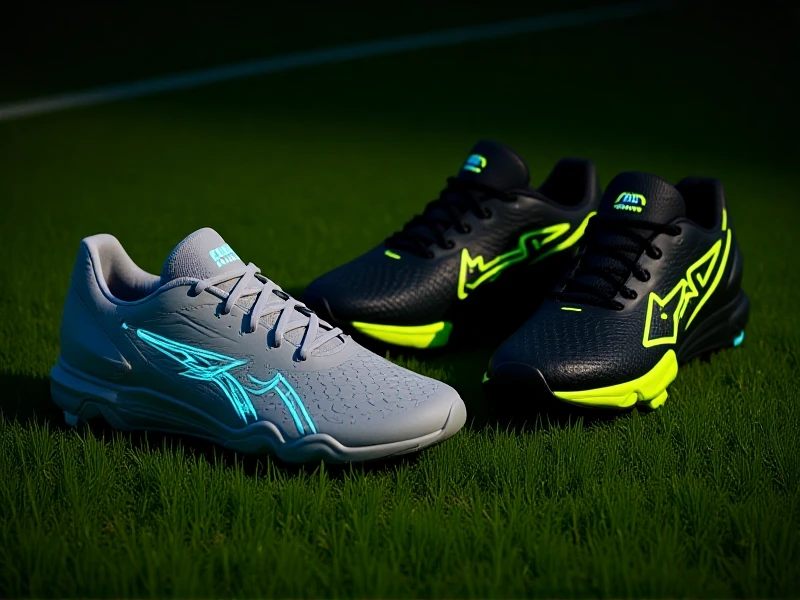
Unlock Your Best Run: Choosing the Perfect Running Shoes for Every Stride
Finding the ideal pair of Running Shoes is more than just picking a color you like; it’s about unlocking comfort, performance, and injury prevention. Your feet endure significant impact with every stride, making the right footwear crucial for runners of all levels. Whether you’re training for a marathon or enjoying a daily jog, the perfect shoes elevate your entire experience.
The sheer variety of Running Shoes can feel daunting. Key factors like foot type, running style, and terrain dictate your best match.
- Understand Your Gait: Are you a neutral runner, an overpronator, or an underpronator (supinator)? Most running stores offer gait analysis to identify how your foot rolls upon landing. This determines if you need Running Shoes with stability features or motion control versus neutral cushioning.
- Prioritize Fit & Comfort: Your feet swell during runs. Ensure a snug heel, ample toe space (about a thumbnail’s width), and no pinching. The best Running Shoes feel comfortably secure immediately – avoid the “break-in” myth. Try shoes on mid-to-late afternoon with your running socks.
- Choose the Right Cushioning: From plush cloud-like feel to minimalist ground contact, cushioning varies. Consider your distance goals and impact preferences. Innovative foams offer responsive bounce-back while protecting joints.
- Consider the Terrain: Road Running Shoes feature smooth soles for pavement. Trail versions have aggressive treads and protective plates for rocky, uneven paths. Hybrids offer versatility for mixed surfaces.
- Don't Ignore the Midsole: This core component absorbs shock and provides propulsion. Materials like EVA foam are common, while advanced options like PEBA-based foams or nitrogen-infused compounds deliver superior energy return and durability.
- Weight Matters: Lighter Running Shoes generally boost speed for shorter runs or races. Heavier trainers offer more protection for longer distances or recovery days. Rotating multiple pairs can be beneficial.
Replacing your Running Shoes every 300-500 miles is essential. Worn-out midsoles lose protective ability, increasing injury risk. Pay attention to midsole creasing or feeling unusually flat during runs.
Ultimately, the best Running Shoes seamlessly blend support, cushioning, and a personalized fit tailored to your unique mechanics. Investing time in selecting the right pair pays dividends in comfort, performance gains, and maintaining happy, healthy feet mile after mile. Listen to your body – when the shoes feel right, your runs truly take flight.