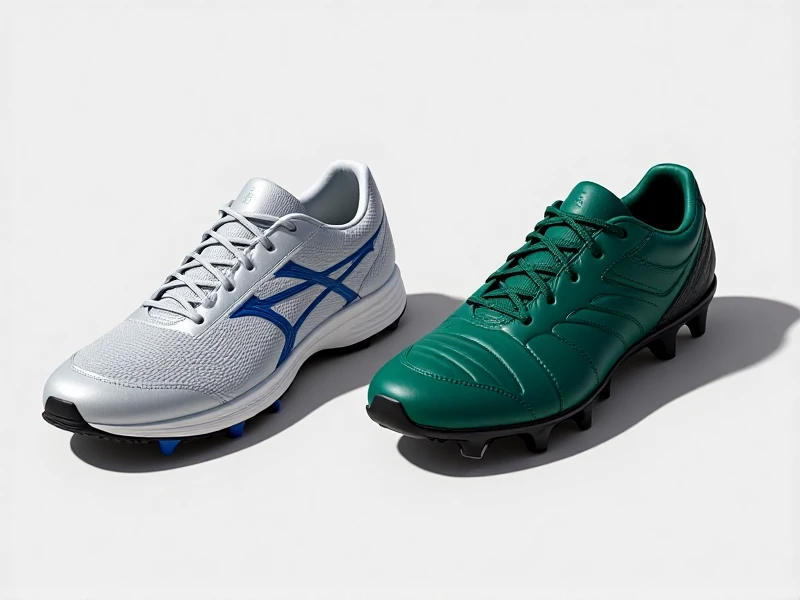
Discover the Perfect Pair: Your Ultimate Running Shoes Guide
SEO-Optimized Article for "Running Shoes"
Running shoes are more than just footwear – they're your trusted companions on every mile, offering the support, cushioning, and flexibility to transform your training sessions. Whether you're a casual jogger or a seasoned marathoner, choosing the right running shoes can boost your performance, prevent injuries, and make each run a joy. In this guide, we'll walk you through the essentials to help you find the ideal pair tailored to your needs.
First, it's crucial to understand the different types of running shoes available. Cushioned running shoes provide extra support for maximum impact absorption, ideal for runners with high arches or those logging long distances on hard surfaces. Stability running shoes feature built-in support to control pronation, making them a great choice for runners with flat feet or overpronation issues. Motion control options offer even more rigidity for severe cases. On the other end, minimalist running shoes are lightweight and promote a natural stride for shorter, faster workouts. Each style caters to specific running gaits – for instance, analyzing your foot strike (like whether you heel-strike or midfoot-strike) helps narrow down what's best for you. A proper fit reduces injury risks by up to 25%, so consult a running store expert for gait analysis before buying.
Next, consider factors like cushioning levels and shoe lifespan when selecting running shoes. Midsole materials vary widely; memory foam adapts to your foot shape for supreme comfort, while air or gel pods excel in responsive shock absorption. For durability, aim to replace running shoes every 300-400 miles, as worn-out shoes increase the risk of strains. On average, top brands prioritize flexibility and breathability, using mesh uppers and reinforced soles that weigh under 10 ounces for agility. Pair this with personal factors: Think about your terrain – trail running shoes have aggressive treads for off-road adventures, whereas road-focused designs handle pavement smoothly. Your arch type matters too; if you're neutral, most models work, but high-arch runners should look for curved options. Also, consider the heel-to-toe drop; lower drops (e.g., 4mm) foster a more natural run but may require adaptation for newcomers.
Don't overlook the broader benefits of investing in quality running shoes. Studies show that well-fitted pairs can enhance your speed by improving stride efficiency and reducing fatigue. More importantly, they guard against injuries like shin splints or plantar fasciitis by providing consistent support during high-impact activities. For beginners, starting with running shoes that offer moderate cushioning often eases the transition into regular running without overwhelming the legs. Seasoned athletes might explore carbon-plated variants for that race-day edge. To extend your shoe's life, rotate between pairs and store them indoors. Remember, the best running shoes feel comfortable from the first wear – test them by jogging in place or doing a short jog in the store. Share your experiences online to help fellow runners, as community insights often guide better choices.
In summary, the key to an enjoyable running experience lies in selecting the right type of running shoes for your unique needs. By understanding your running style and prioritizing fit over fashion, you'll maximize gains while minimizing aches. Ready to upgrade? Try on multiple pairs and hit the road confidently – your perfect run awaits.