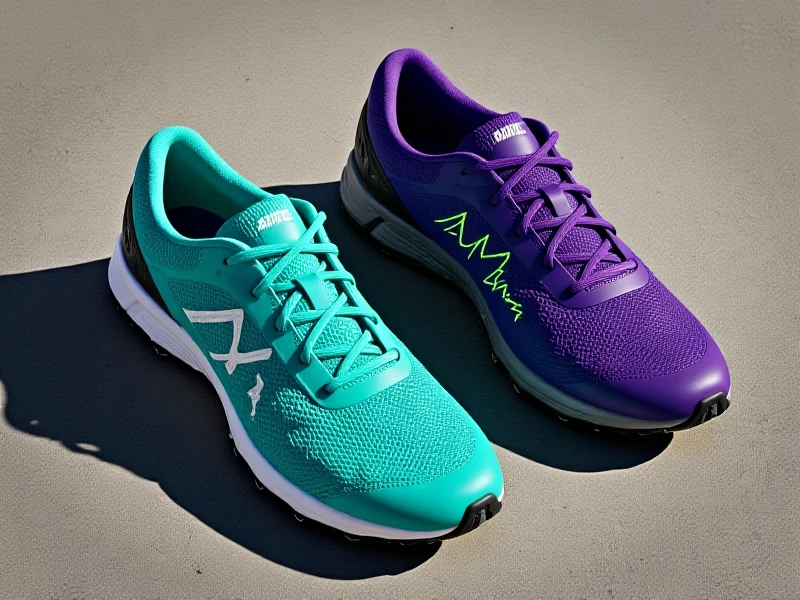
The Ultimate Guide To Choosing Running Shoes That Perfectly Fit Your Feet
Here is an SEO-optimized article focusing on "Running Shoes":
Finding the best running shoes isn't just about style or brand loyalty; it's crucial for performance, comfort, and injury prevention. With countless options flooding the market, how do you pinpoint the perfect pair for your feet and running style? Understanding key features and your own biomechanics makes all the difference.
Fit: The Foundation of Every Great Run
The cornerstone of any high-quality running shoe is impeccable fit. Your feet naturally swell during runs, so aim for a thumb's width of space between your longest toe and the shoe's end. Ensure a secure, comfortable hold in the heel and midfoot without feeling pinched or constricted. Brands often offer various widths to accommodate broader or narrower feet – don't hesitate to explore them. Trying shoes on later in the day simulates swollen feet for the most accurate fit.
Understanding Your Foot Type & Gait
Do you overpronate (foot rolls inward excessively), underpronate/supinate (foot rolls outward), or have a neutral gait? This significantly impacts which running shoes offer optimal support. Visit a specialized running store for a gait analysis. Stability shoes are designed for overpronators, neutral cushioning shoes suit neutral runners, and motion control shoes offer maximum support for severe overpronation. Minimalist or zero-drop shoes cater to specific training goals but require careful transition. Consider your foot arch height (low, neutral, high) when assessing models.
Key Cushioning and Support Technologies
Running shoe midsoles utilize advanced materials like EVA foam, polyurethane, TPU (visible in technologies like Brooks DNA LOFT, Adidas Boost, Nike React, ASICS GEL) to provide differing levels of cushioning or energy return. Some aim for plush softness for maximum shock absorption over longer distances, while others prioritize responsiveness for speed work. The right level depends on your weight, the distances you run, and personal comfort preference. Rocker geometry in many models guides the foot efficiently from heel-strike to toe-off.
Terrain Dictates Tread: Road vs. Trail Runners
Sole design is paramount. Road running shoes feature smoother, more flexible soles for consistent pavement impact. Trail running shoes boast aggressive, multi-directional lugs for superior grip on mud, rocks, and uneven terrain, plus enhanced upper protection from debris. Using road shoes on trails risks slips and instability, while trail shoes feel cumbersome on pavement and wear out faster. Hybrid "road-to-trail" options exist but specialize for your primary surface.
Don't Forget the Uppers and Insoles
Modern running shoe uppers prioritize lightweight breathability (mesh) and strategic support (synthetic overlays or woven structures like Adidas Primeknit). Consider sock liners (insoles) – while most stock insoles are adequate, runners with specific orthotic needs may replace them. Ensure the upper fits snugly without creating pressure points or restricting toe movement.
Replace Them Timely
Even the best running shoes break down. Cushioning compresses, support weakens, and outsoles lose grip. Most experts recommend replacing running shoes every 300-500 miles to maintain performance benefits and reduce injury risk. Rotating between two pairs can extend their lifespan by allowing materials time to decompress between runs.
Choosing the best running shoes requires self-awareness and attention to detail. Prioritize fit and function aligned with your biomechanics and goals. Investing time ensures you find a supportive partner for every mile, enhancing your running journey and protecting your most valuable equipment: your feet. Happy running!