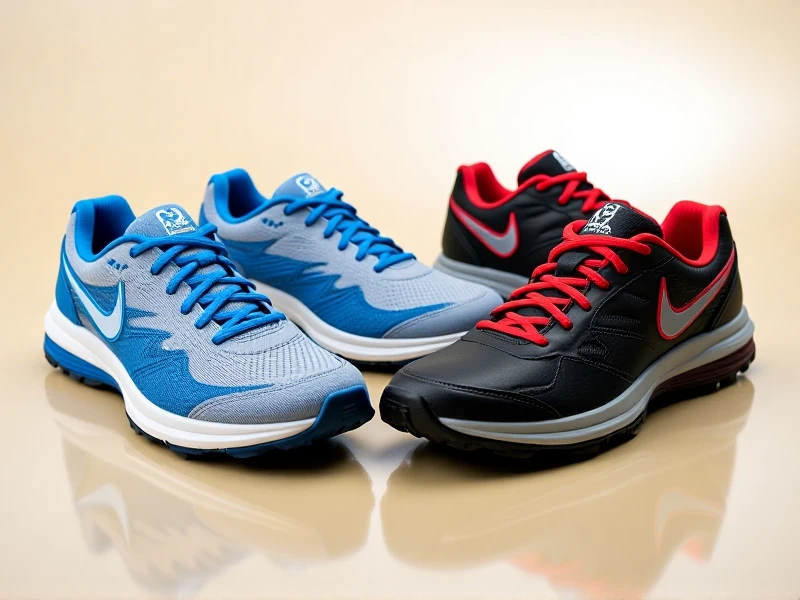
2024 Comprehensive Guide to Choosing the Best Football Shoes
Finding the perfect pair of football shoes is crucial for performance, comfort, and injury prevention on the pitch. Whether you're a seasoned professional, a dedicated amateur, or just starting out, understanding the key factors behind football boots makes all the difference. Gone are the days of one-style-fits-all; modern football shoes are engineered for specific playing styles, positions, and surfaces.
The foundation of your choice lies in the football shoes soleplate and stud configuration. Firm Ground (FG) boots feature molded studs designed for natural grass pitches in dry conditions, offering stability and reliable traction. For soft, rain-soaked natural grass, Soft Ground (SG) boots with longer, often removable metal studs provide essential grip to prevent slipping. Artificial Grass (AG) boots use numerous shorter, conical studs specifically engineered for synthetic turf, reducing pressure points and minimizing injury risk associated with harder surfaces. Hard Ground (HG) boots offer broader studs for stability on compact, dry pitches. Indoor (IN) and Turf (TF) options cater to indoor courts and artificial 5-a-side surfaces with non-marking rubber or gum soles for grip and maneuverability.
Material choice significantly impacts feel and performance. Classic leather football shoes (like kangaroo skin or modern synthetics replicating it) offer unparalleled touch, a natural feel, and excellent comfort as they mold to your foot over time. Modern synthetic materials provide a more consistent touch, increased durability, excellent water resistance, and often a lighter weight. Knitted uppers combine flexibility with a sock-like fit and precise ball control. Consider a tighter fit ("snug") for precise touch and control, especially for attacking players, but ensure there's no painful pinching or pressure. Boots shouldn't feel loose or cause your foot to slide during cutting movements.
Position and play style matter. Forwards and wingers seeking explosive speed might opt for lightweight synthetic boots with emphasis on acceleration. Midfielders requiring agility and ball control often prefer boots offering excellent touch, flexibility, and responsiveness. Defenders might prioritize durability, ankle support, and powerful striking capabilities. Finally, budget plays a role, but remember that investing in quality football shoes designed specifically for your pitch type enhances performance and safety significantly. Try several pairs on with football socks to find the perfect fit for your unique feet and style – the right boots are a vital extension of your ability on the field. Happy playing!