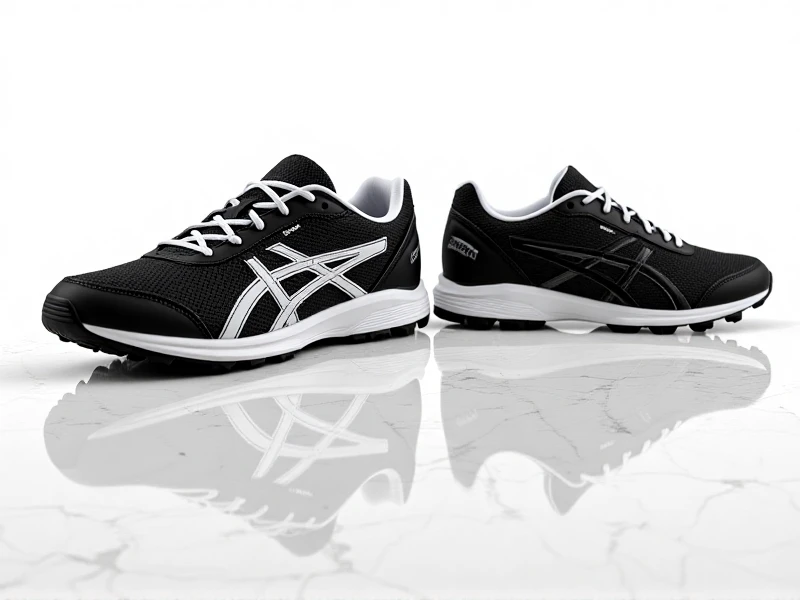
Ultimate Guide to Choosing the Best Running Shoes for Your Feet
Finding the right running shoes is crucial for comfort, performance, and injury prevention. With countless options available, selecting the perfect pair can feel overwhelming. This guide breaks down the key factors to consider when searching for your ideal running sneakers.
The best place to start is understanding your foot type and running gait. Do you overpronate (your foot rolls inward excessively), supinate (it rolls outward), or have a neutral stride? Visiting a specialty running store for a gait analysis is invaluable. They often observe your stride on a treadmill to recommend shoes offering the correct level of support – be it stability, motion control, or neutral cushioning.
Next, consider the surface you primarily run on. Road running shoes are the most common type, designed with cushioning to absorb the impact of hard pavements. They're generally lightweight and flexible. If you frequently run on trails with uneven terrain, roots, and rocks, invest in trail running shoes. These feature aggressive treads for superior grip and often have added protection in the toe cap and underfoot to shield against debris. Cross-training shoes are versatile but lack the specific design features optimized for dedicated road or trail runners.
Cushioning level is another critical decision. Do you prefer a plush, maximum cushioning shoe that feels soft underfoot for long distances, a moderate amount that provides a balance of cushion and responsiveness, or a minimalist, low-profile shoe offering a more "ground-feel"? Think about your typical run distance and personal preference for how the shoe feels. Weight matters too; lighter running gear can enhance speed, especially for races or faster workouts.
Ensure the fit is perfect. Running sneakers should have about a thumb's width of space between your longest toe and the end of the shoe. Your foot should feel secure in the heel and midfoot without any pinching. Always try on shoes in the afternoon when feet are slightly swollen and wear your usual running socks. Don't sacrifice proper fit for style – the right balance of lockdown and toe space prevents blisters and black toenails.
Finally, remember that running shoes don't last forever. Most experts recommend replacing them every 300-500 miles, as the cushioning and structural support degrade over time, increasing injury risk. Pay attention to how they feel – if you start experiencing unusual aches and pains, it might be time for a fresh pair.
Investing time in finding the best running shoes suited to your unique needs is an investment in your health and enjoyment of the sport. Get fitted properly, prioritize function over fashion, and replace your shoes regularly for your best miles ahead.