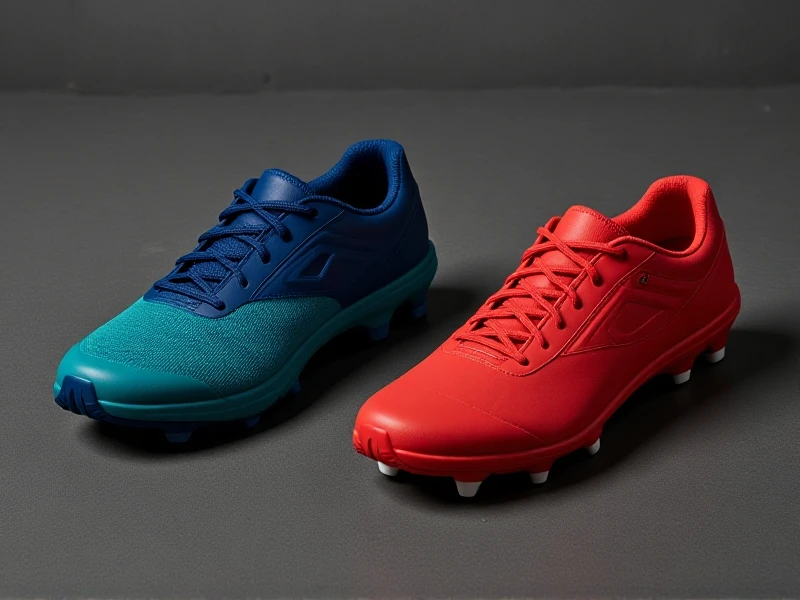
Choosing the Perfect Running Shoes for Every Runner: Your Ultimate Guide
Running shoes are essential gear for any runner, whether you're a beginner or a seasoned athlete. The right pair can significantly enhance your performance, prevent injuries, and make each run more enjoyable. With countless options on the market, knowing how to select the best running shoes can transform your training routine. This guide covers the key factors to consider for an informed choice.
First, understand the different types of running shoes available. Neutral shoes are ideal for runners with high arches, offering balanced cushioning without added support for overpronation. Stability shoes, conversely, provide extra control for those with flat feet or excessive inward rolling, helping to correct gait and reduce strain. Minimalist models are lightweight and promote a natural foot strike, suitable for experienced runners who want less interference. Additionally, cushioned options excel in absorbing impact for high-mileage sessions, making them perfect for long-distance enthusiasts on hard surfaces. Always assess your foot type and running style—for instance, getting a gait analysis at a specialty store can pinpoint the right category.
Next, focus on fit and comfort when trying on running shoes. Aim for a snug but not tight fit, ensuring there's about a thumb's width of space between your longest toe and the shoe end. Test them by walking or jogging lightly; you shouldn't feel any pinching or sliding. Consider features like arch support and breathable materials to avoid blisters during intense workouts. For varied terrains, trail running shoes may be necessary, as they include rugged soles for better grip on uneven paths. Beyond fit, factor in cushioning and weight—heavy runners might prefer more shock absorption, while competitors could lean toward lightweight designs for speed.
Investing in quality running shoes brings numerous benefits, such as improved comfort and reduced injury risks like shin splints or plantar fasciitis. Brands like Nike, Brooks, and New Balance offer innovative technologies, like responsive midsoles and sustainable fabrics, to cater to diverse needs. Ultimately, choosing the best running shoes involves trial and error—start by setting a budget and trying multiple pairs. Visit a local retailer or browse online reviews to find your match. By prioritizing your unique requirements, you'll set the stage for healthier, more effective runs that keep you motivated. Always replace worn-out shoes every 300–500 miles to maintain peak support and performance.