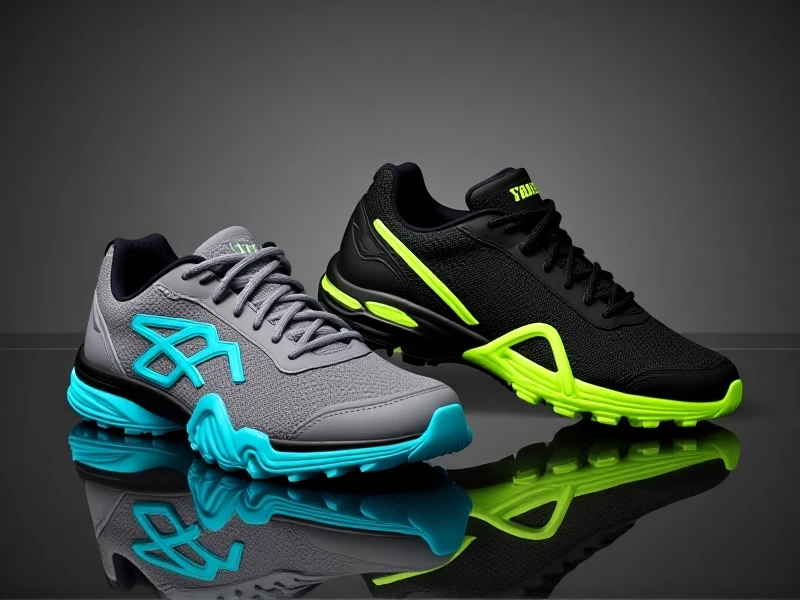
Finding Your Perfect Match: How to Choose the Best Running Shoes
Finding the right pair of running shoes isn't just about style; it's fundamental to your enjoyment, performance, and injury prevention on the run. With countless models and brands flooding the market, selecting the perfect Running Shoes can feel overwhelming. Don't worry, this guide cuts through the noise, helping you step confidently towards your best run.
Your journey starts with understanding your feet. Do you have high arches, low arches (flat feet), or something in between? This significantly influences how your foot moves (pronates) during impact. Many specialty running shops offer gait analysis – a quick video assessment of your stride – which is invaluable for recommending the correct level of stability or motion control needed in your Running Shoes. Neutral shoes suit high arches and minimal pronation, while stability models support moderate overpronation, and motion control options are for excessive overpronation. Getting this foundation right is crucial.
Next, consider where you'll primarily be logging miles. Are pavements and sidewalks your main route? Opt for road Running Shoes, designed with cushioning to absorb repetitive impact on hard surfaces. Trail enthusiasts need shoes with aggressive lugs, protective toe guards, and enhanced grip to confidently tackle dirt paths, rocks, mud, and uneven terrain. Hybrid shoes exist if you mix surfaces frequently.
Cushioning level is highly personal and depends on factors like your weight, running style (heel vs. forefoot striker), and desired distance. Some runners crave maximum plushness underfoot for long distances or joint comfort, while others prefer a more minimal, responsive feel for speedwork or a "closer-to-the-ground" connection. Don't be swayed by trends – prioritize what truly feels comfortable and supportive during a test run around the store.
Finally, fit is king. Always try on shoes later in the day when feet are naturally swollen, wear your running socks, and ensure plenty of room (about a thumbnail's width) in front of your longest toe. The heel should be snug without slipping, and the midfoot secured comfortably. Walk and, if possible, jog briefly in the store. Your perfect Running Shoes should feel great immediately – no painful "break-in" periods are needed.
Remember:
- Rotate Shoes: Having two pairs in rotation extends their lifespan and offers subtle biomechanical variability.
- Replace Regularly: Most Running Shoes lose significant cushioning after 300-500 miles. Pay attention to wear patterns on the sole and listen to your body for signs of reduced support.
- Specialized Needs: Speed workouts? Racing flats. Ultra distances? Max cushion options abound.
Investing time to find your ideal Running Shoes pays off in miles of comfortable, injury-free running. Visit a knowledgeable retailer, get assessed, prioritize fit and function, and lace up with confidence! Your best runs are waiting.